Dateline July 24, 2011, Glacier National Park, Custer's Last Stand, Crazy Horse, and Mount Rushmore
We drove through Calgary heading south on Canadian Highway 2 toward the US border. Crossing back into our own country brought the same lift we have felt every time we have returned home. From the border it was a short run east on US Highway 89 to Saint Mary and the entrance to Glacier National Park. We have seen some magnificent mountains and glaciers between Alaska and Canada these past months, and now we were about to see what the lower 48 had to offer.
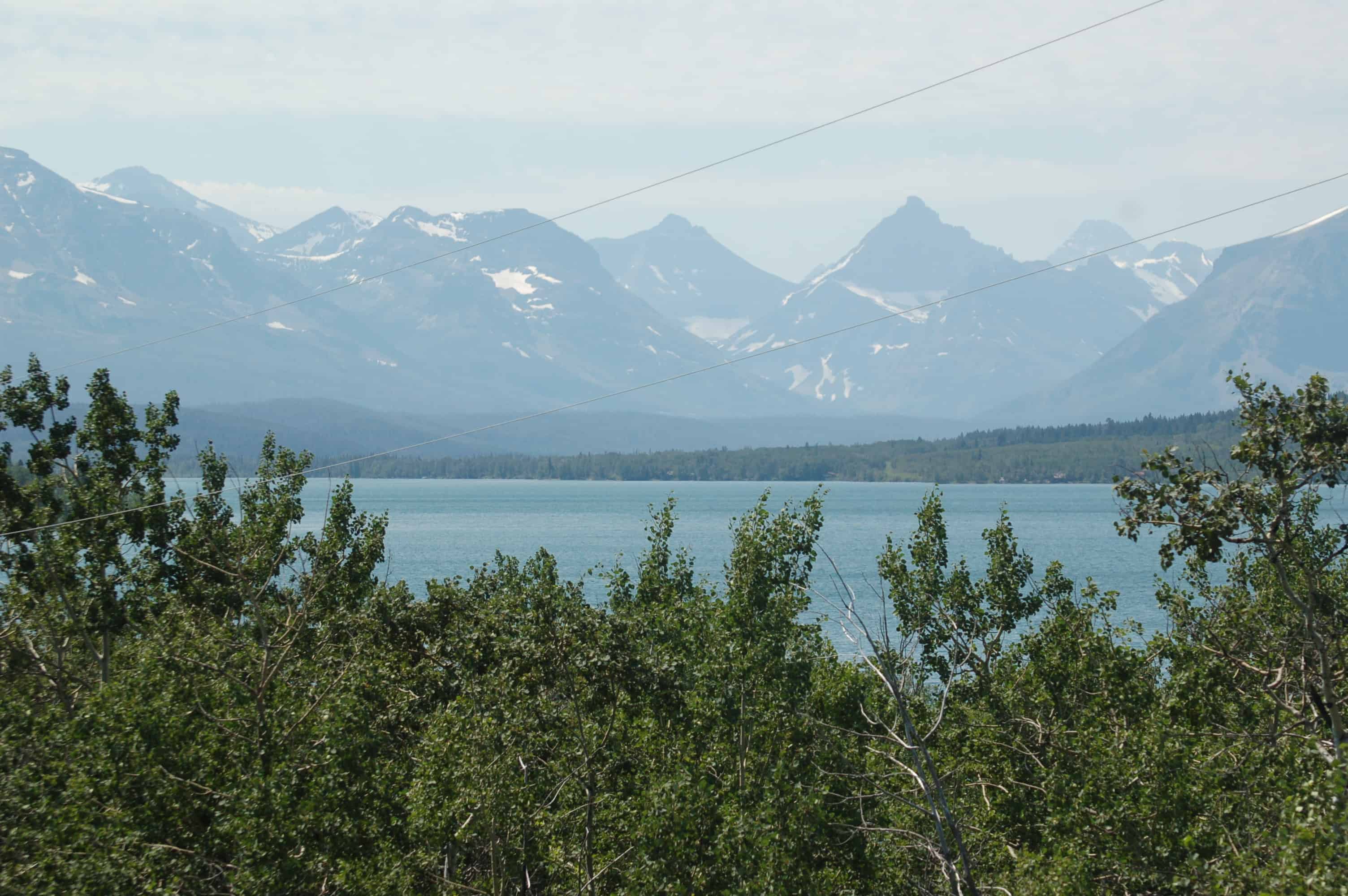
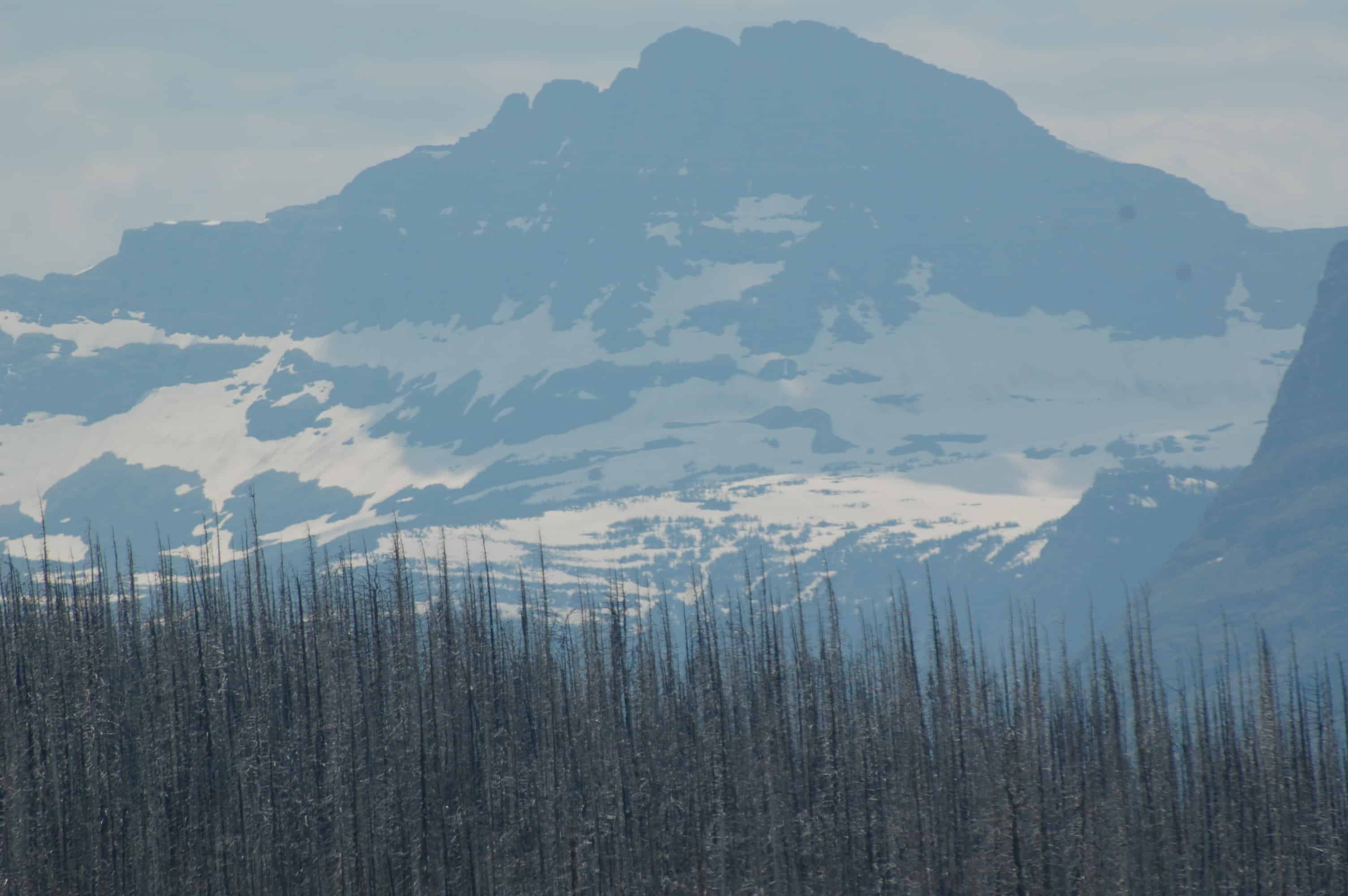
Because the RV is over 21 feet long we were restricted to the Rising Sun campsite, 18 miles into the park. From there we got a good look at some of the peaks and glaciers, made lunch by a lake, and laughed at the kids swimming in cold water that did not seem to bother them at all. At ten years old we would have been right in there with them.
Next summer's plan is to do the National Parks in the west, and a return to Glacier is part of that itinerary.
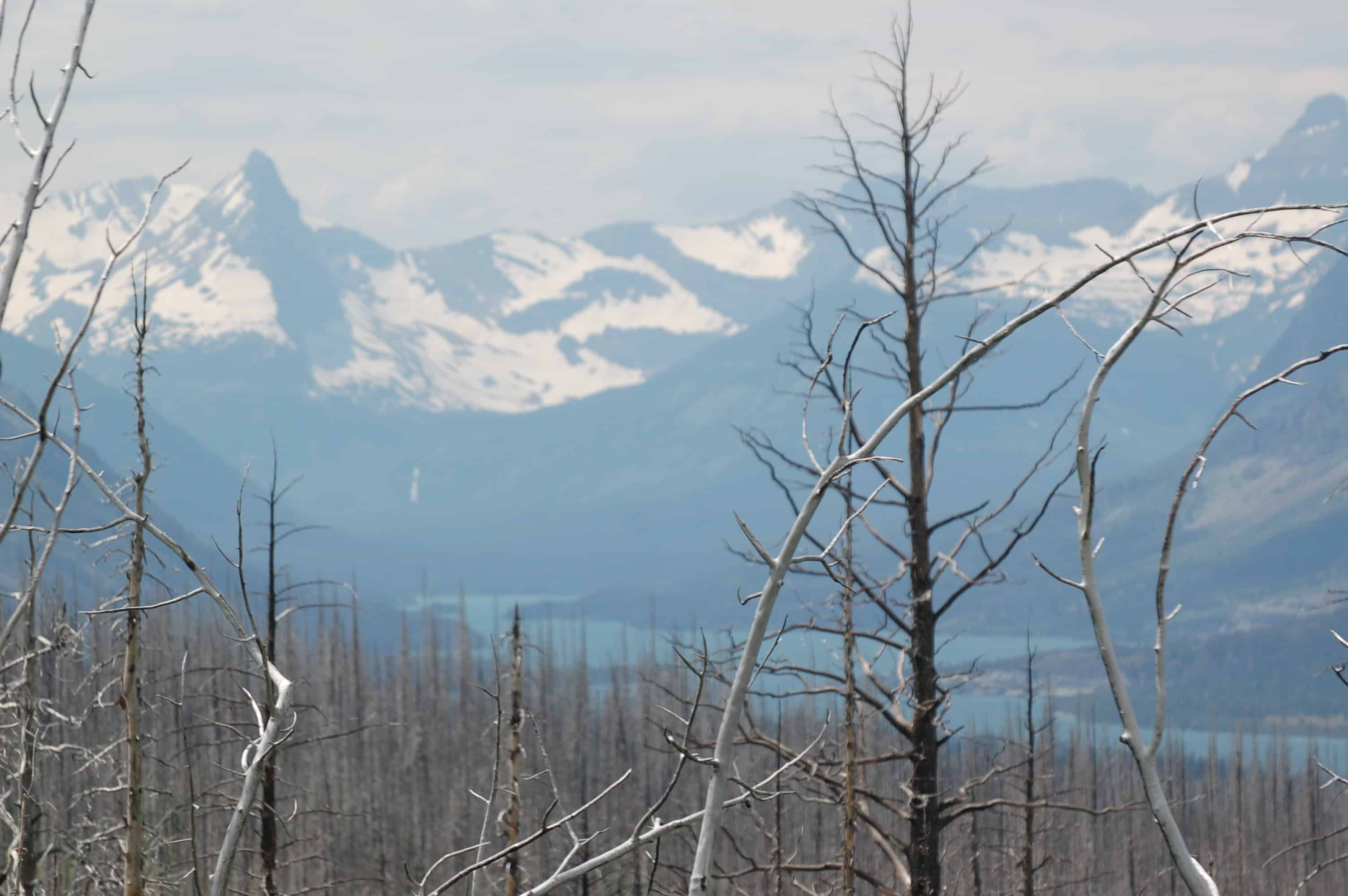
Time to head east. We were amazed by the beauty of the foothills as we rolled toward Missoula. The back tires were due for replacement and our plan had been to do it in Billings at Costco. In Missoula we called Freightliner to ask about availability and they recommended a few tire shops. We pulled into one of them at 4:55, five minutes before closing. Tires installed cost ten dollars more per tire than Costco, and they had us back on the road by 5:30. WOW. What great people.
While we were in town we stopped at the local AT&T store about a problem with Janice's phone. The salesperson took an hour, downloaded new software, rebooted the phone, and solved it. No charge.
We tell these two small stories because that is what we have come to think of as typical of Montana.
The Missouri River was flooding that week and the parks along it were closed, so we spent the night in a Walmart parking lot with several other RV folks. They brought out chairs and made a circle for cocktail hour. We felt right at home.
In the morning we drove south and east through Billings to visit the Little Bighorn Battlefield National Monument, where Custer's Last Stand took place.
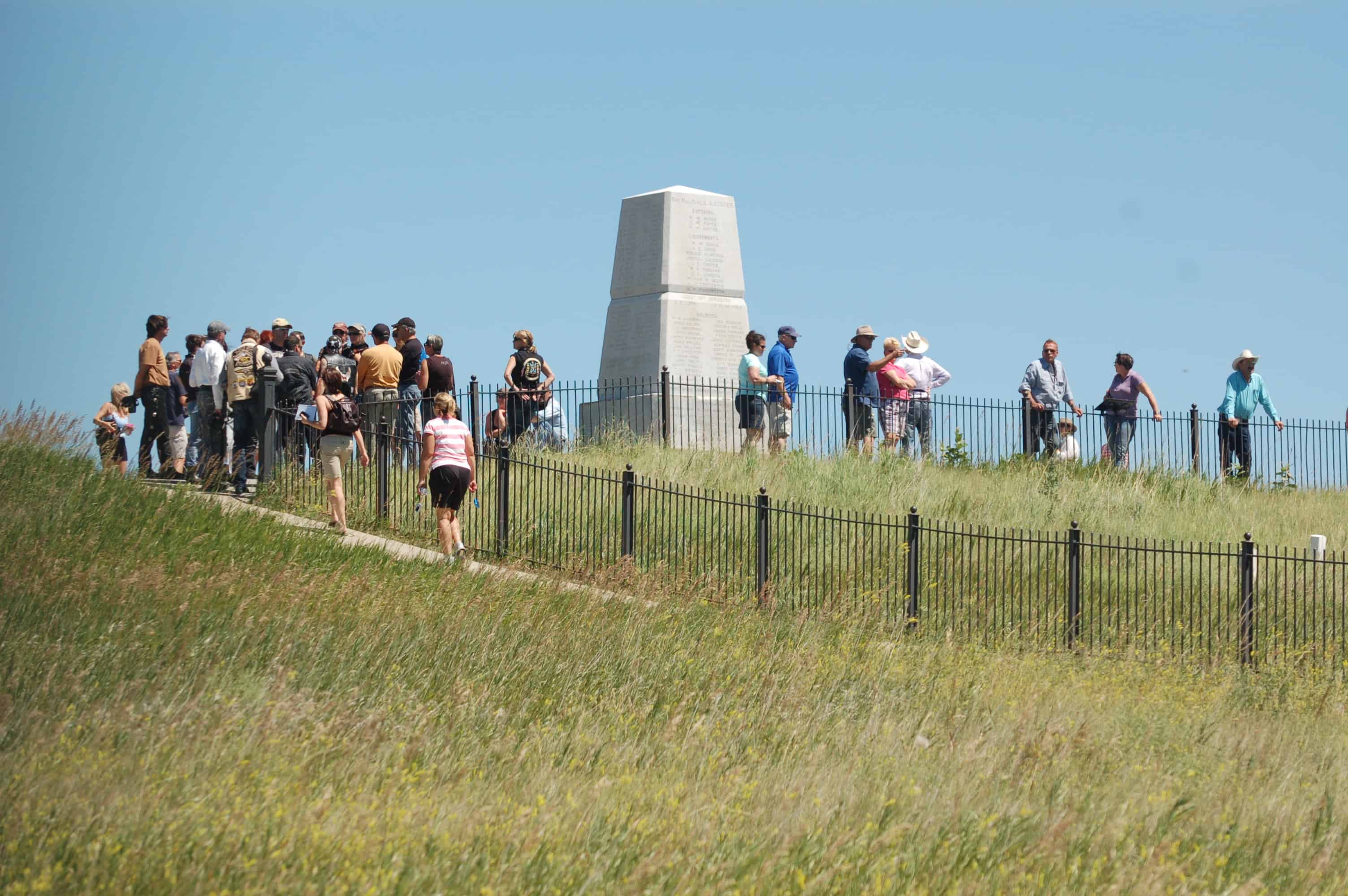
A park ranger spoke at the visitor center, which overlooks the battlefield stretching six miles across the valley. The explanation of President Grant's reason for attacking the Indians was that they were off their reservations, although it was questionable whether they had even received notice. The Lakota, Cheyenne, and Arapaho were nomadic buffalo hunters and this was their traditional way of life. The story of Custer's final battle was a great deal different than anything we had grown up hearing. By the time Custer had detached troops to various positions around the battlefield, he was left with around forty men on a hill overlooking the valley.
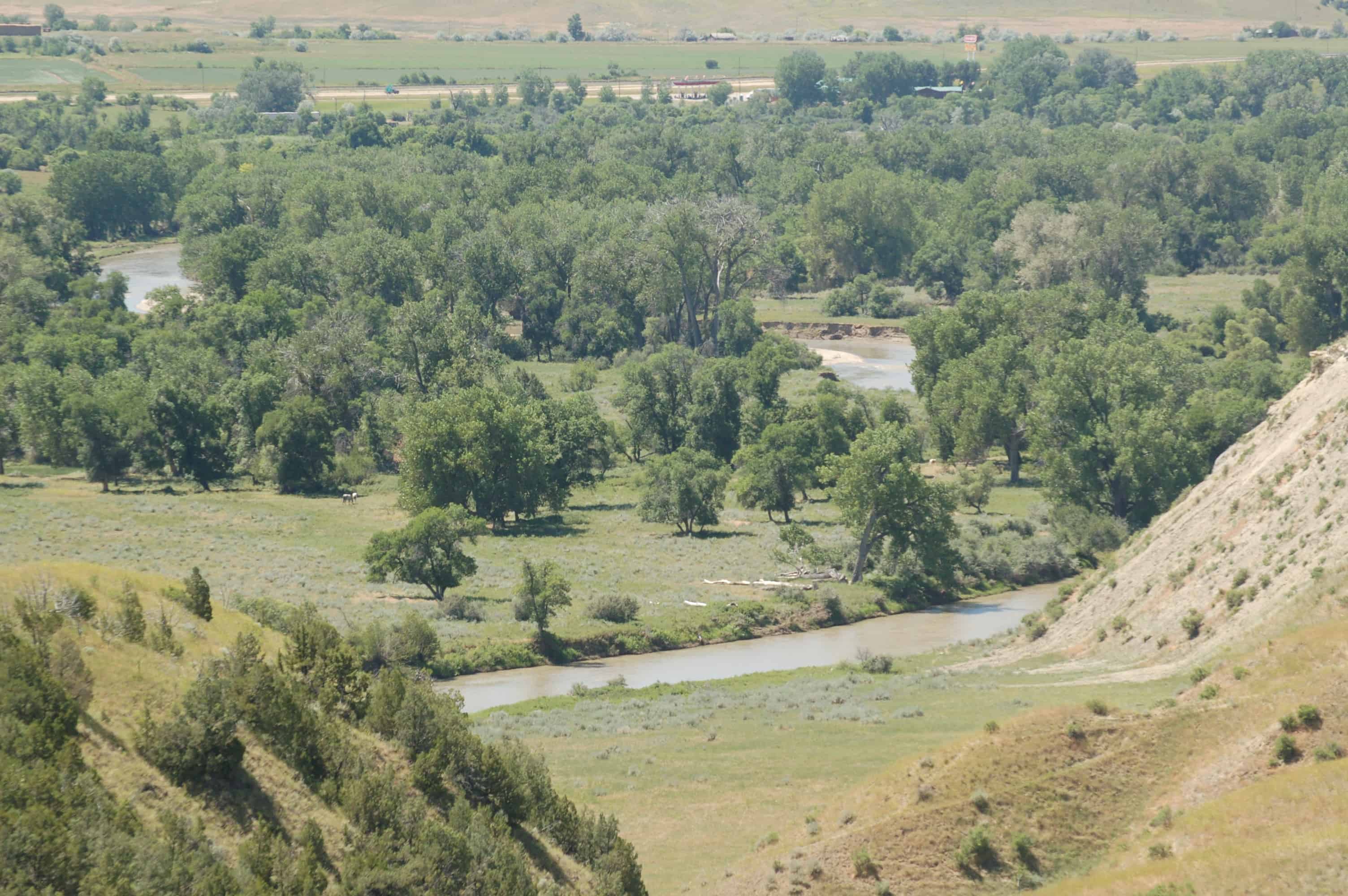
Major Reno had retreated into the trees with his command, where Custer had been counting on his help to arrive. It never came. The warriors attacked from below, circling the hill, firing both arrows and the repeating rifles many of them carried, weapons that were often better than what the cavalry had. All forty men were killed, and Custer's Last Stand went into the history books.
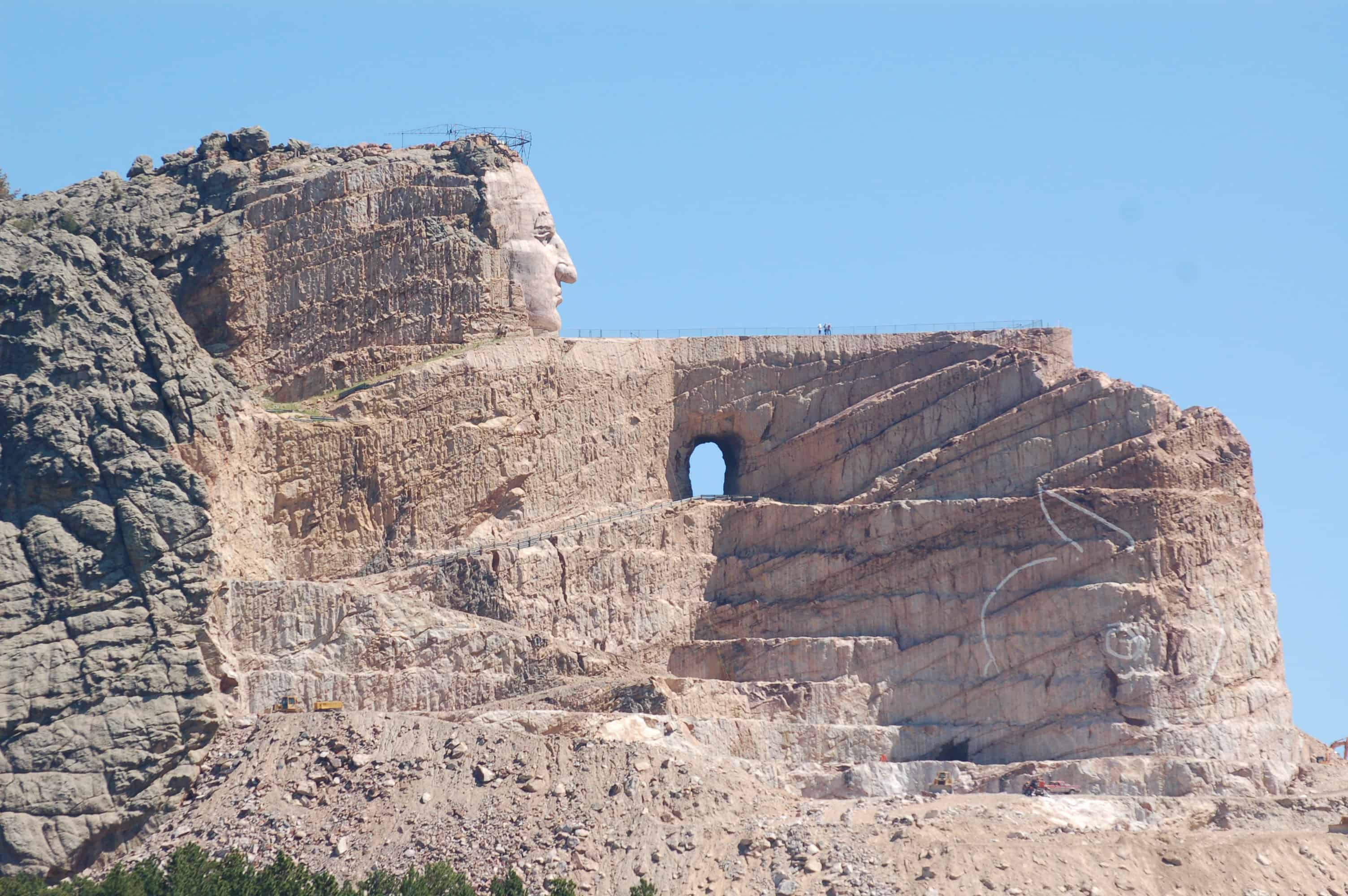
The reward for visiting the Little Bighorn was to hear both sides of the history, and to be ready for our visit to the Black Hills and the Crazy Horse Memorial. If you ever get the chance to spend time in the Black Hills, take it. It is a beautiful part of the country. On to Crazy Horse. The monument is so large that, looking at the picture below, the entire Mount Rushmore monument would fit in the area behind the head of Crazy Horse alone.
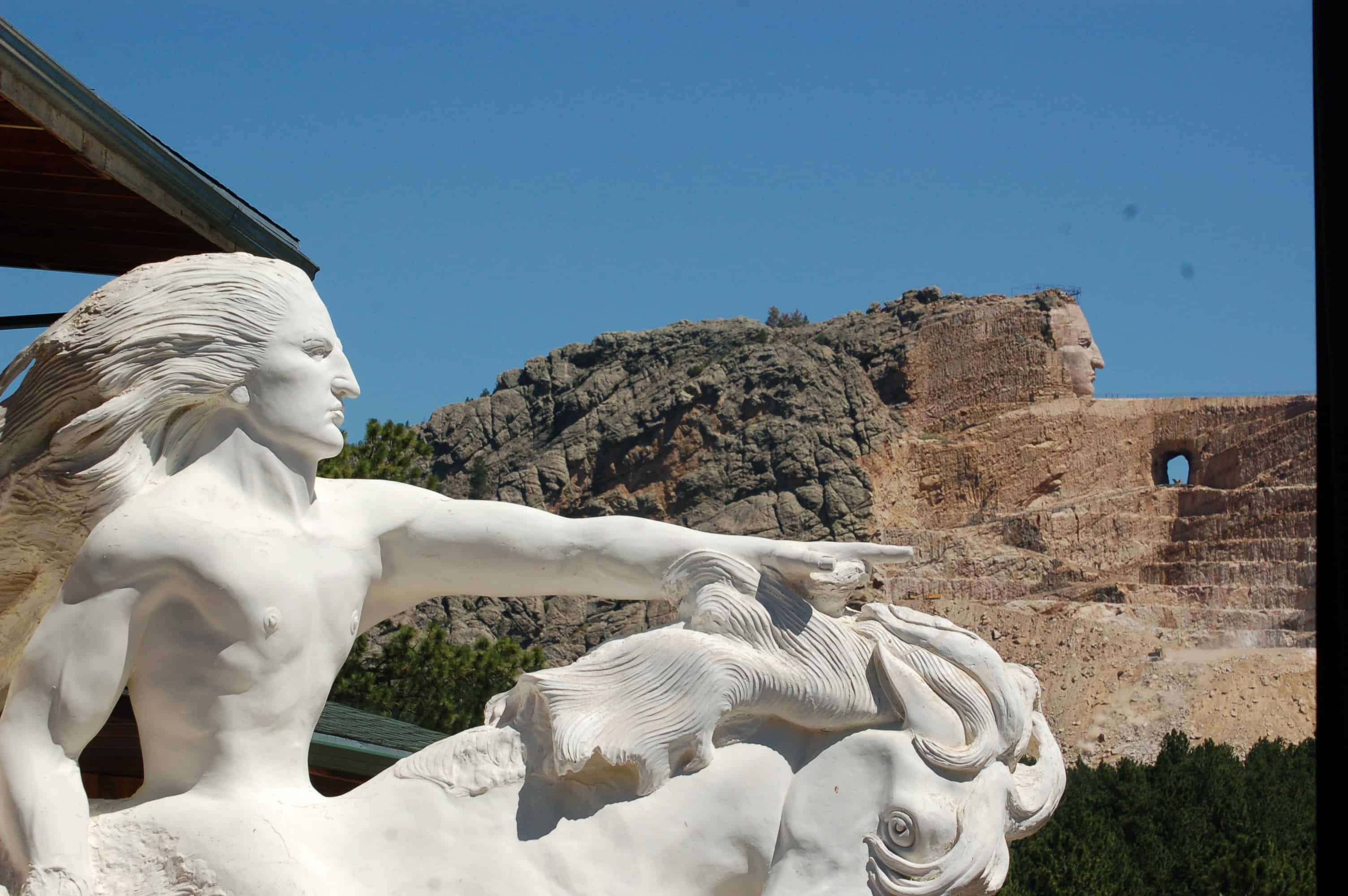
The monument is still being built. Most of the rough sculpting is done with carefully placed dynamite, the explosions shaping the mountain. Sculptor Korczak Ziolkowski and Lakota Chief Henry Standing Bear officially began the work on June 3, 1948. The memorial's mission is to honor the culture, tradition, and living heritage of the North American Indian. Ziolkowski had worked on Mount Rushmore before Chief Standing Bear approached him to create Crazy Horse. There were a few non-negotiable conditions for the project, one being that no federal funds would be used, since the Indians did not trust the United States government. Hard to argue with that. Ziolkowski's wife and family continue to run the project. It is the largest mountain carving in the world. The complex at the foot of the mountain has portraits of many of the chiefs who supported the project in its early days and who had been warriors at the Battle of the Little Bighorn. Those chiefs had fought in the battle when they were thirteen to sixteen years old and lived into their eighties and nineties.
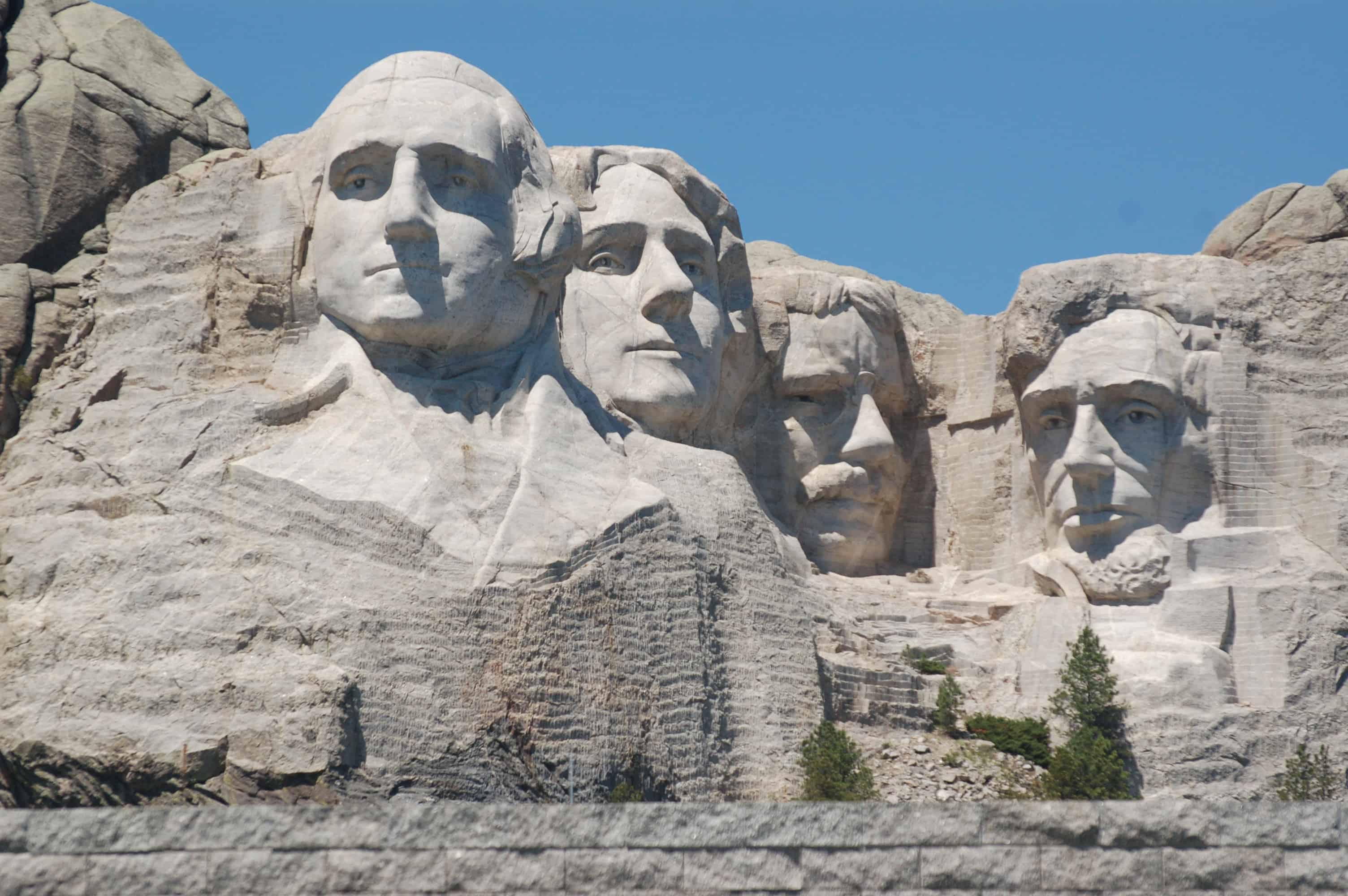
And then Mount Rushmore. Why these four presidents: Washington, the father of our country; Jefferson, for the Declaration of Independence and for his western vision in the Louisiana Purchase; Theodore Roosevelt, for protecting land for generations to come through the national parks; and Lincoln, the Great Emancipator. As you walk up to the viewing area, the sense of patriotism and pride in what we stand for as a country just consumes you. Beautiful and awesome at the same time.