Dateline June 20-23, 2012, Montreal and Quebec City
After a wonderful wedding, we began the drive north to Canada and the Maritime Provinces. First stop, Clinton, New York, to visit Janice's cousin Bobbie Dawes, her father's niece.
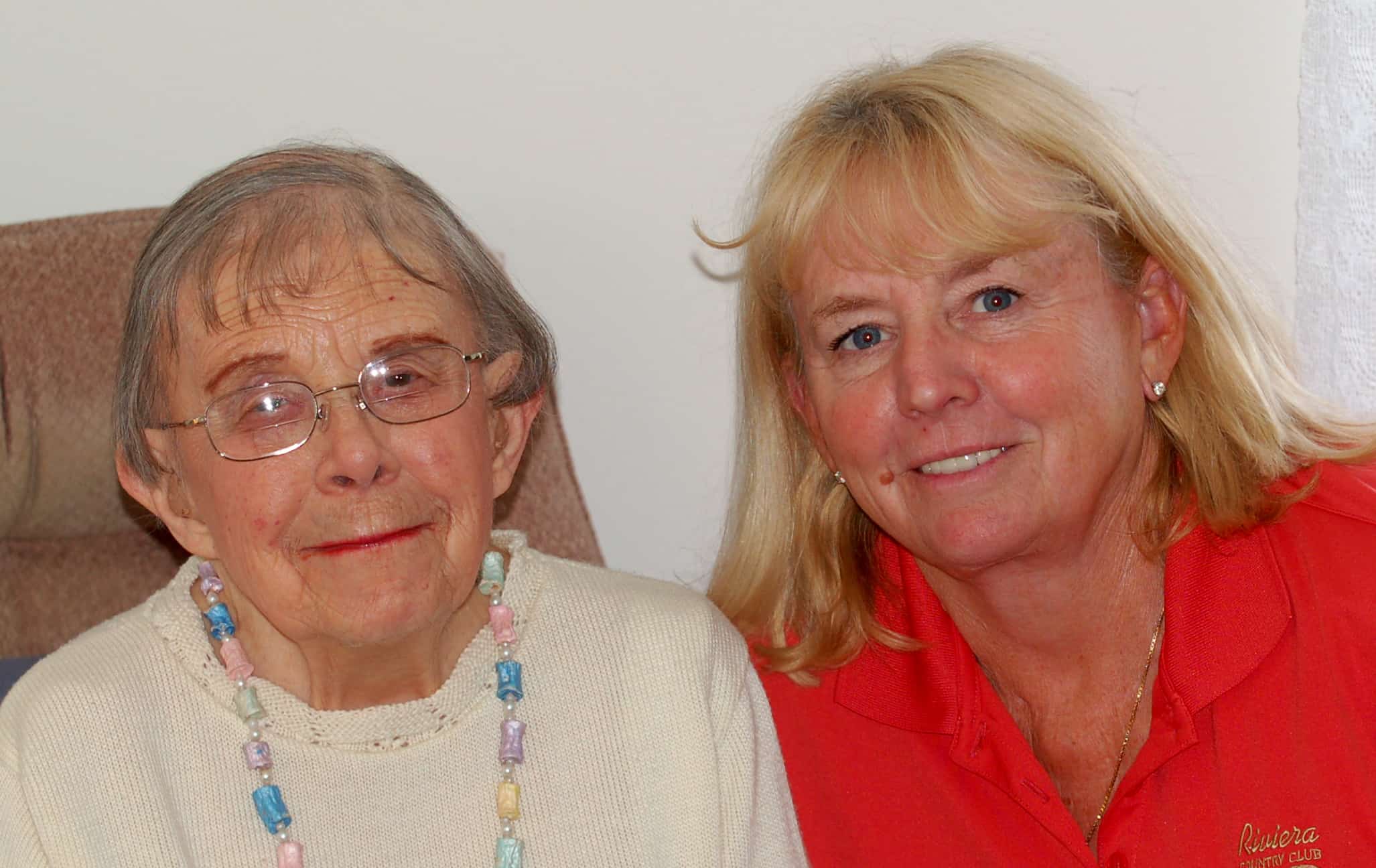
This is the third year in a row we have made it by to see Bobbie. A good visit, stories shared, pictures swapped. Then back on the road.
We crossed the river to stay free at the Akwesasne Mohawk Casino just before the Canadian border, then continued in the morning to Montreal and Camping Alouette campground just outside the city. In the morning we drove to the Metro like the commuters and rode the subway into town. Out to the Botanical Gardens first, just across the street from the 1976 Olympic site. The gardens were delightful. The construction of the Olympic Stadium was still amazing to see, the great inclined tower with its cables holding up the roof.
We had lunch scheduled with David Williams. David is John's sister Carol's husband Parker's cousin. (Trying that again: he is Parker's cousin, and Parker is married to Carol, who is John's sister. Family.) Courtney and Amanda were also in town and joined us at Poutineville, a real Quebec country-style restaurant. A few quick definitions for the unfamiliar. Poutine: fries, cheese curds, brown gravy. Sometimes other toppings. Cheese curds: little chunks of fresh white cheese, with a rubbery, almost squeaky texture. They come out of the same cheddar process, just earlier, before the cheese is pressed into molds and aged. It is the kind of thing New York City may eventually decide is a crime to serve, along with a 32-ounce drink.
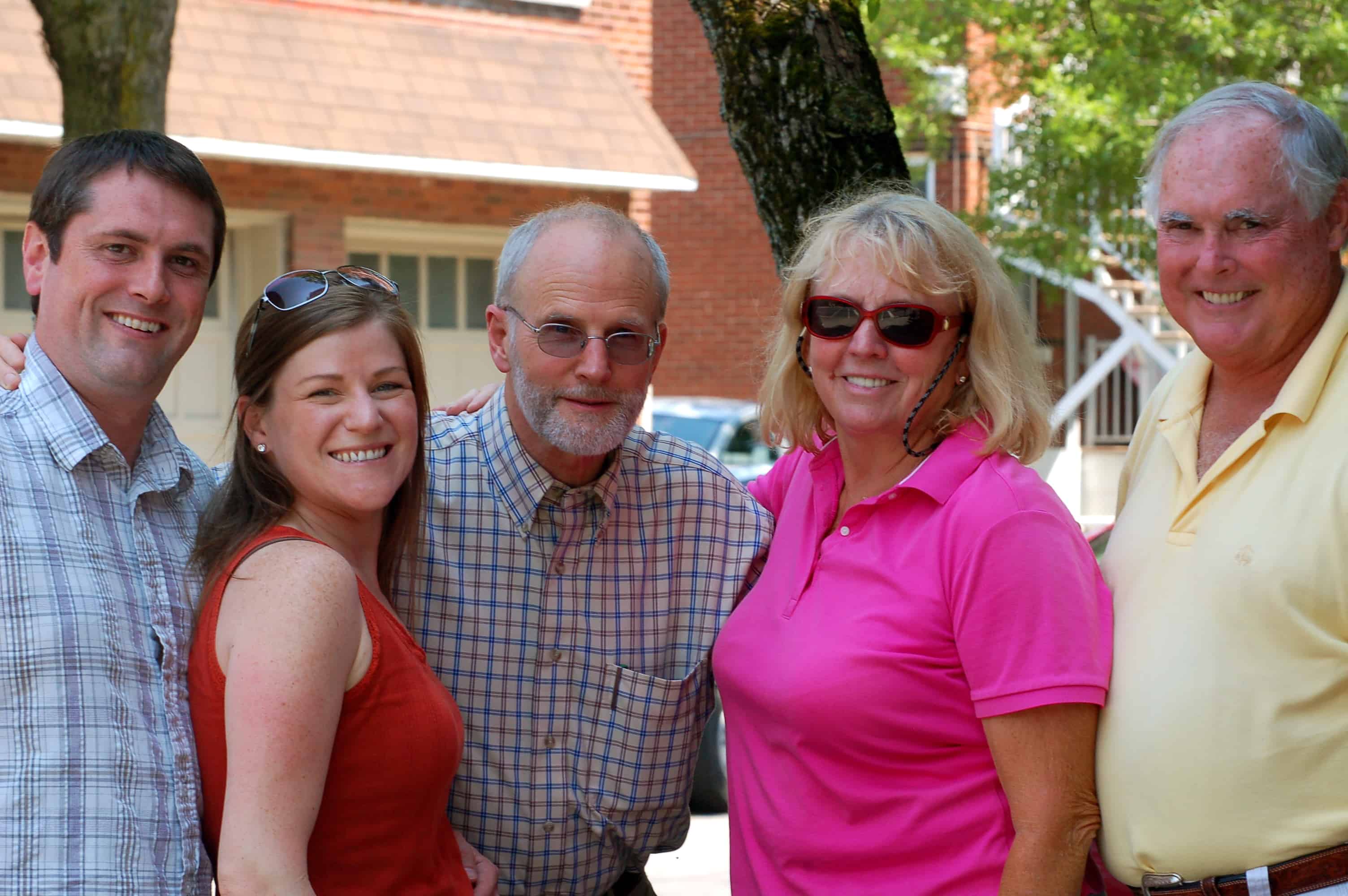
There is a glow on Amanda's face in this picture that the camera caught. We had just learned, a few days before, that she was pregnant. Grandchild number two is on the way.
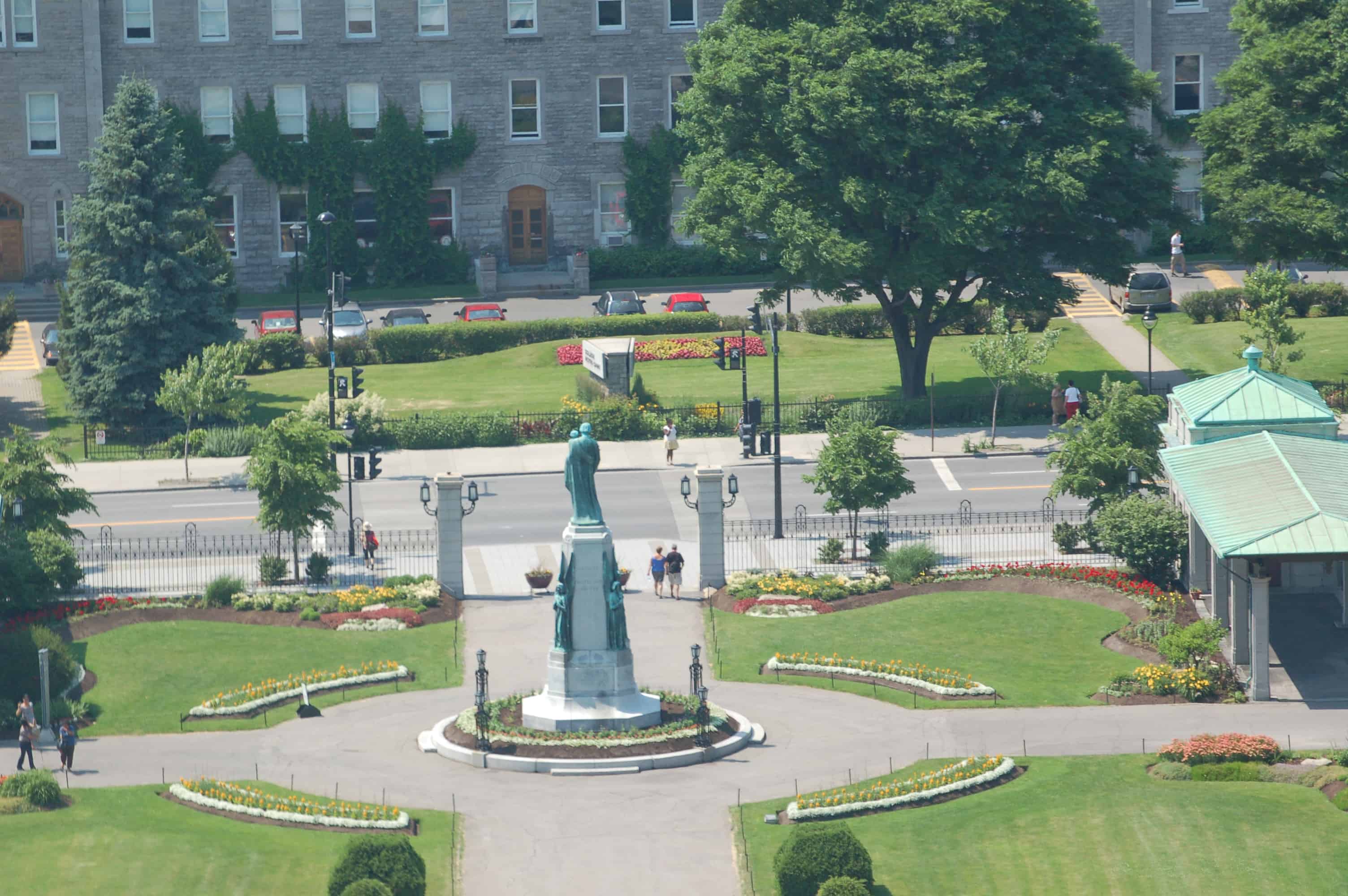
After lunch Courtney and Amanda had things to do, so David was kind enough to take us on a tour of the hills above Montreal and his Mount Royal neighborhood overlooking the city.
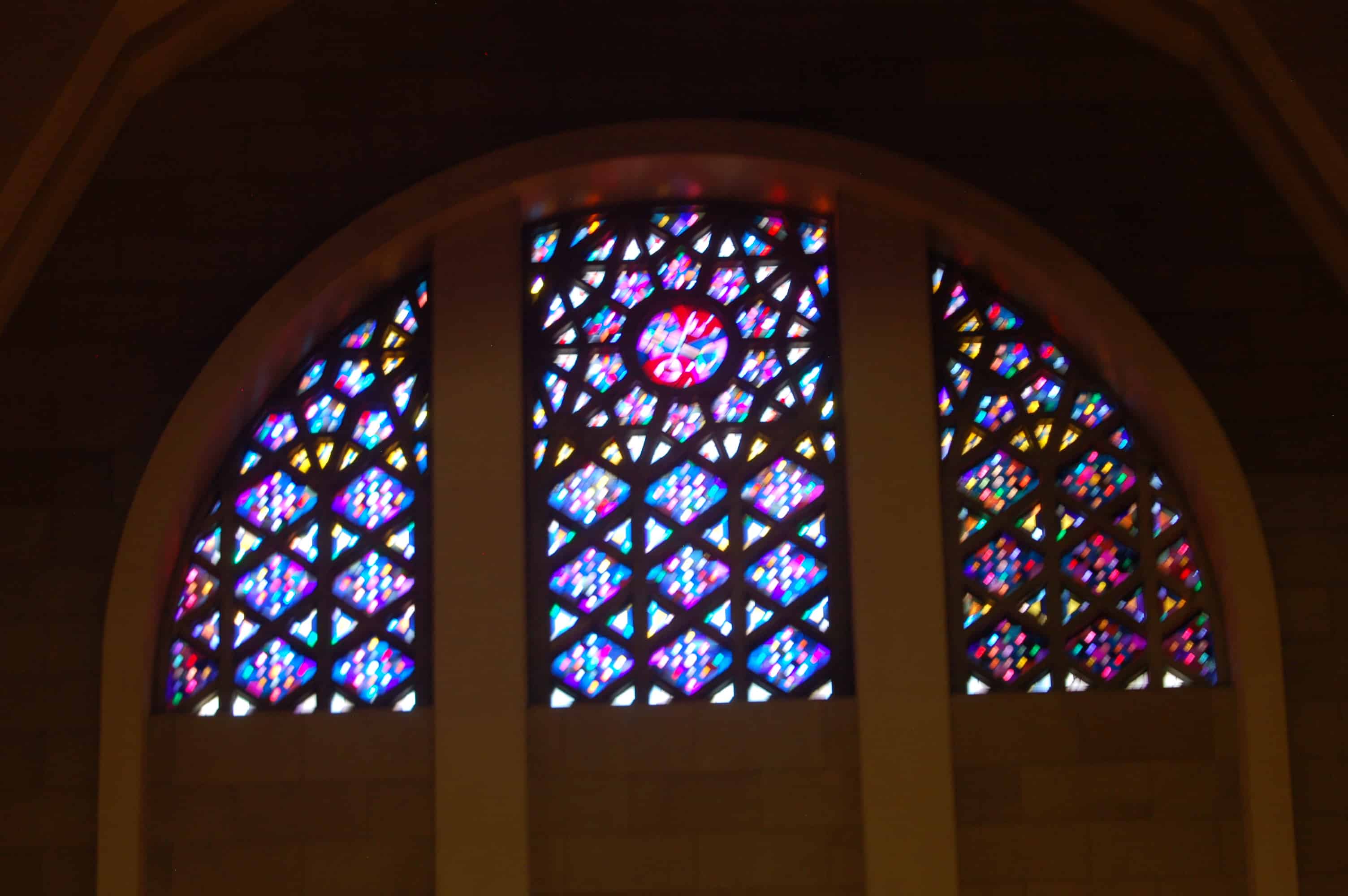
Saint Joseph's Oratory of Mount Royal is genuinely beautiful. In 1904, Saint André Bessette, C.S.C., a humble Holy Cross brother, began with a small chapel on the slopes of Mont Royal near Notre Dame College. The chapel kept getting too small for the growing number of visitors who came hoping to see him. A larger church was completed in 1917, seating about a thousand. In 1924, work began on the basilica that became Saint Joseph's Oratory as it stands today. It was finally completed in 1967.
The basilica is dedicated to Saint Joseph, to whom Brother André attributed every healing reported around him. People in great numbers came: the handicapped, the blind, the ill, including many Protestants, all of them welcome. On display inside the basilica is a wall covered with thousands of crutches left behind by people who had come and reportedly been healed. Pope John Paul II beatified Brother André in 1982. Pope Benedict XVI canonized him in October 2010.
We said our goodbyes to David and hope he will visit us in Florida one of these winters.
In the morning we packed up and headed for Quebec City, arriving at our campground, a KOA in West Quebec, in the early afternoon. We have to admit, it was one of the best campgrounds we have stayed at. We had a small camera problem to handle. Janice had dropped the camera one too many times. A trip over to Best Buy (where they were happy to speak English with us) and we picked out a new camera body. We hope this one survives.
A shuttle bus took us from the campground to Old Quebec, and we toured the city for the day. Quebec City is the only walled city in North America north of Mexico, sitting on what they call the rock of Quebec, the northeast end of a long, narrow promontory. On the north side, the valley of the St. Charles River. On the south, the cliffs above the St. Lawrence. The cliff near the citadel is 350 feet, almost vertical, and the only ways to the top are steep, narrow paths. At the top, the fortified city. Cannons line the walls overlooking the St. Charles. The harbor below, the only ways to reach it being road from the west or boat down the St. Lawrence from Montreal.
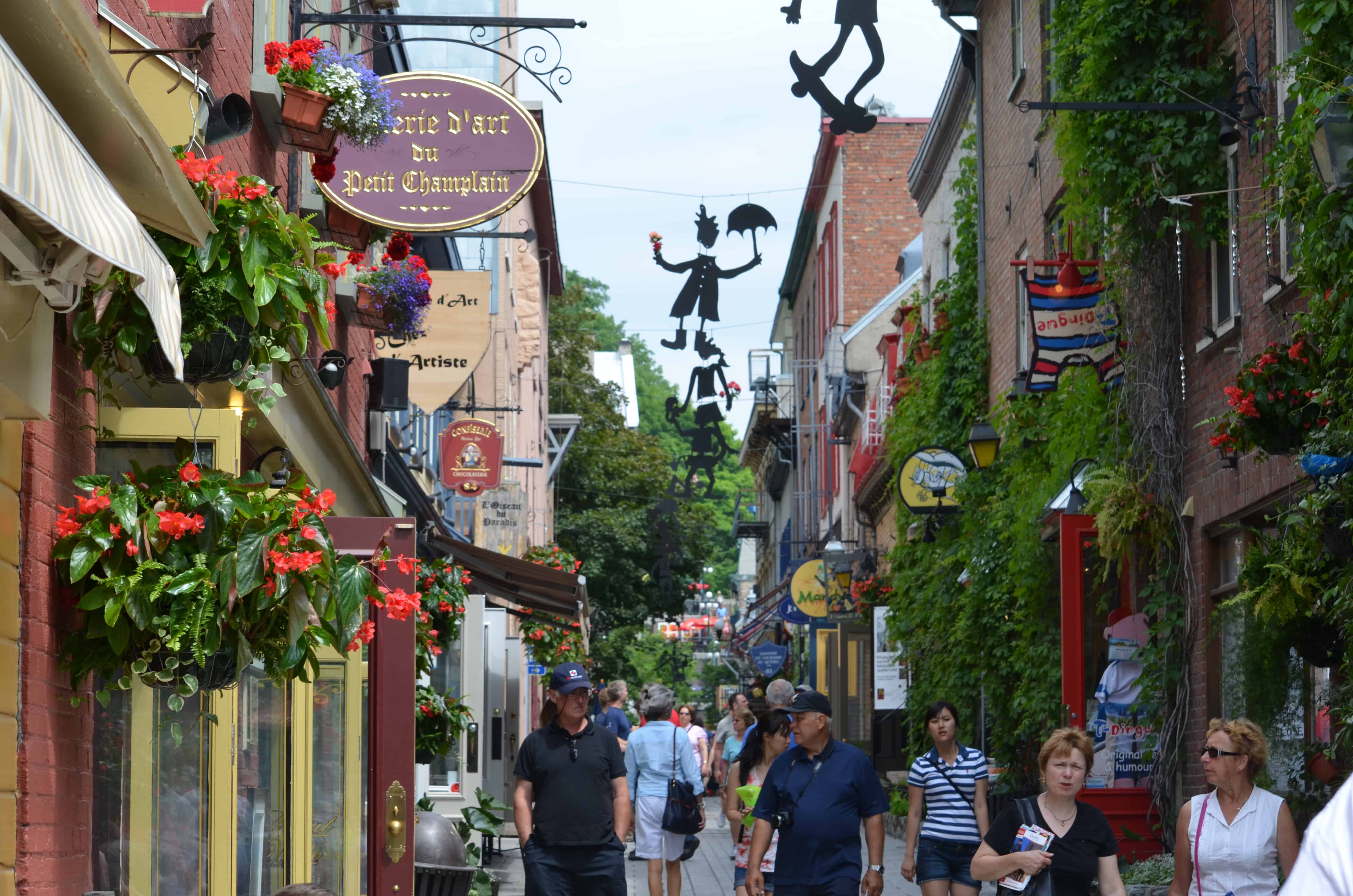
The walking between the upper city and the lower city was its own workout. A great place for a tour. The churches were magnificent.
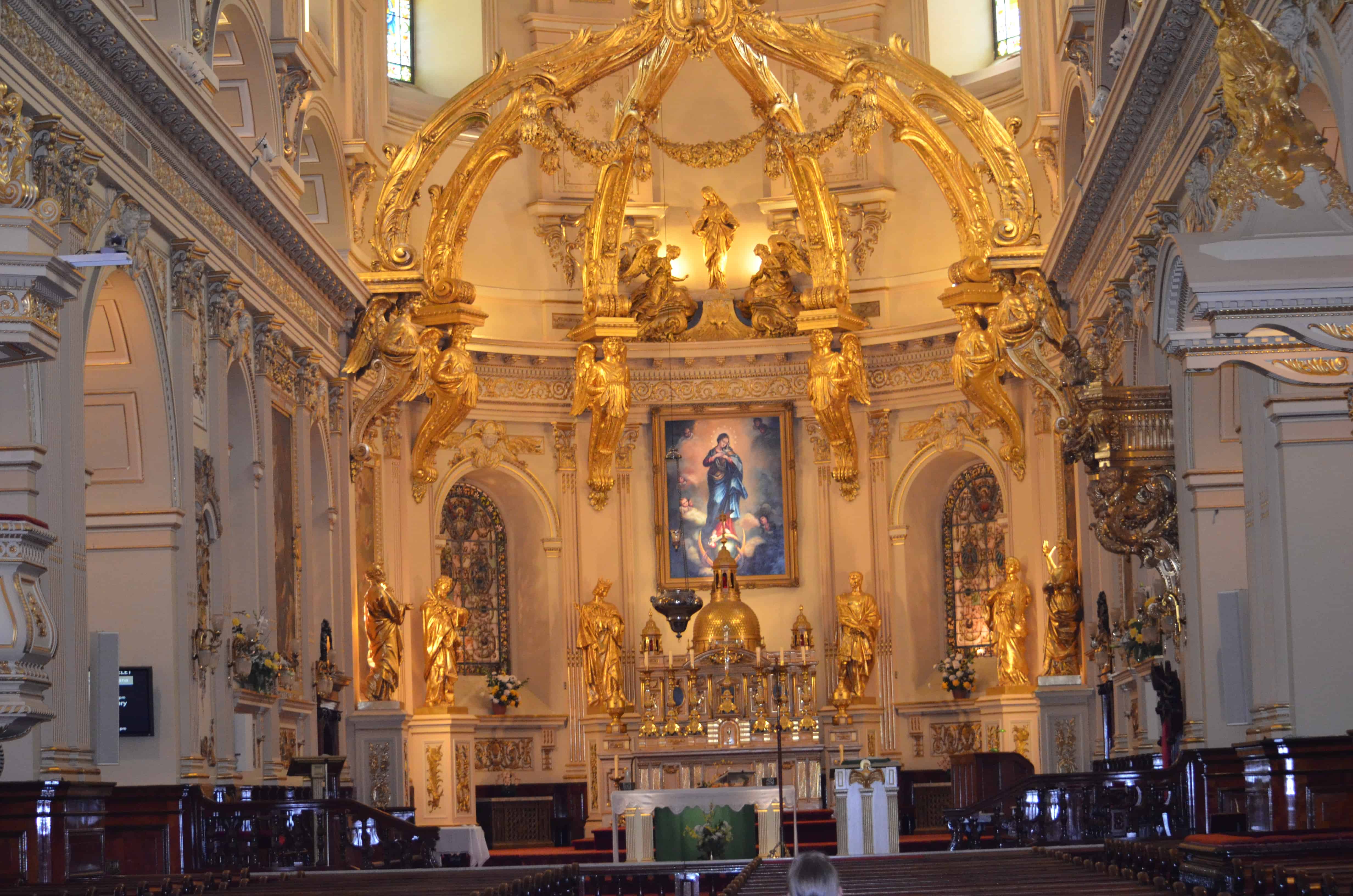
The Cathedral of Notre-Dame de Québec, Our Lady of Quebec City, is the primatial church of Canada and the seat of the Roman Catholic Archdiocese of Quebec, the oldest see in the New World north of Mexico. It is also the parish church of the oldest parish in North America. The numbers stop being abstract when you stand inside.
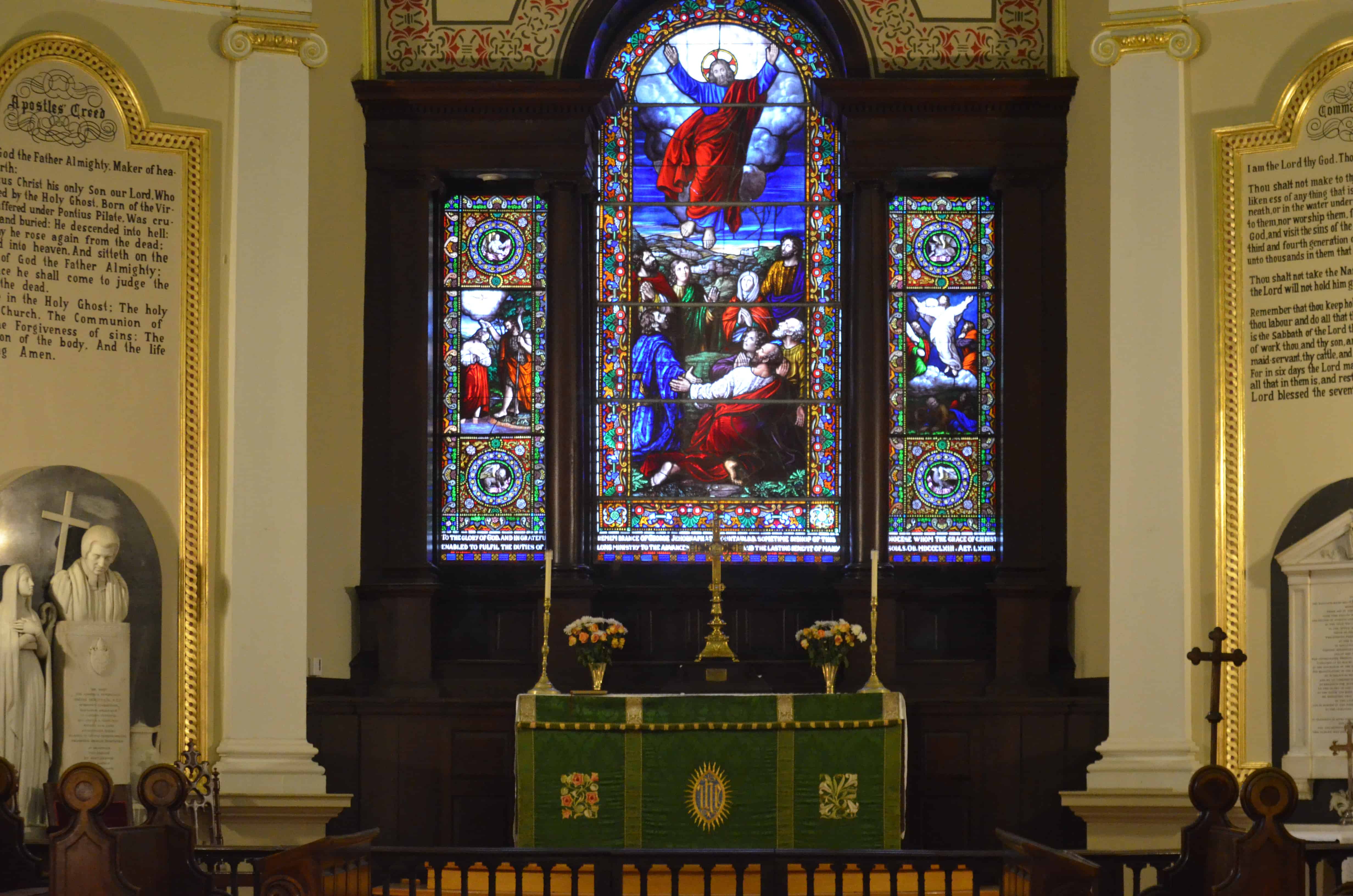
The Cathedral of the Holy Trinity is the first Anglican cathedral built outside the British Isles, the Mother Church of the Diocese of Quebec. After Notre-Dame, we were drawn in by the simplicity of Holy Trinity. The two together tell most of Quebec's story.
The many restaurants and bright little shops were fun to wander past.
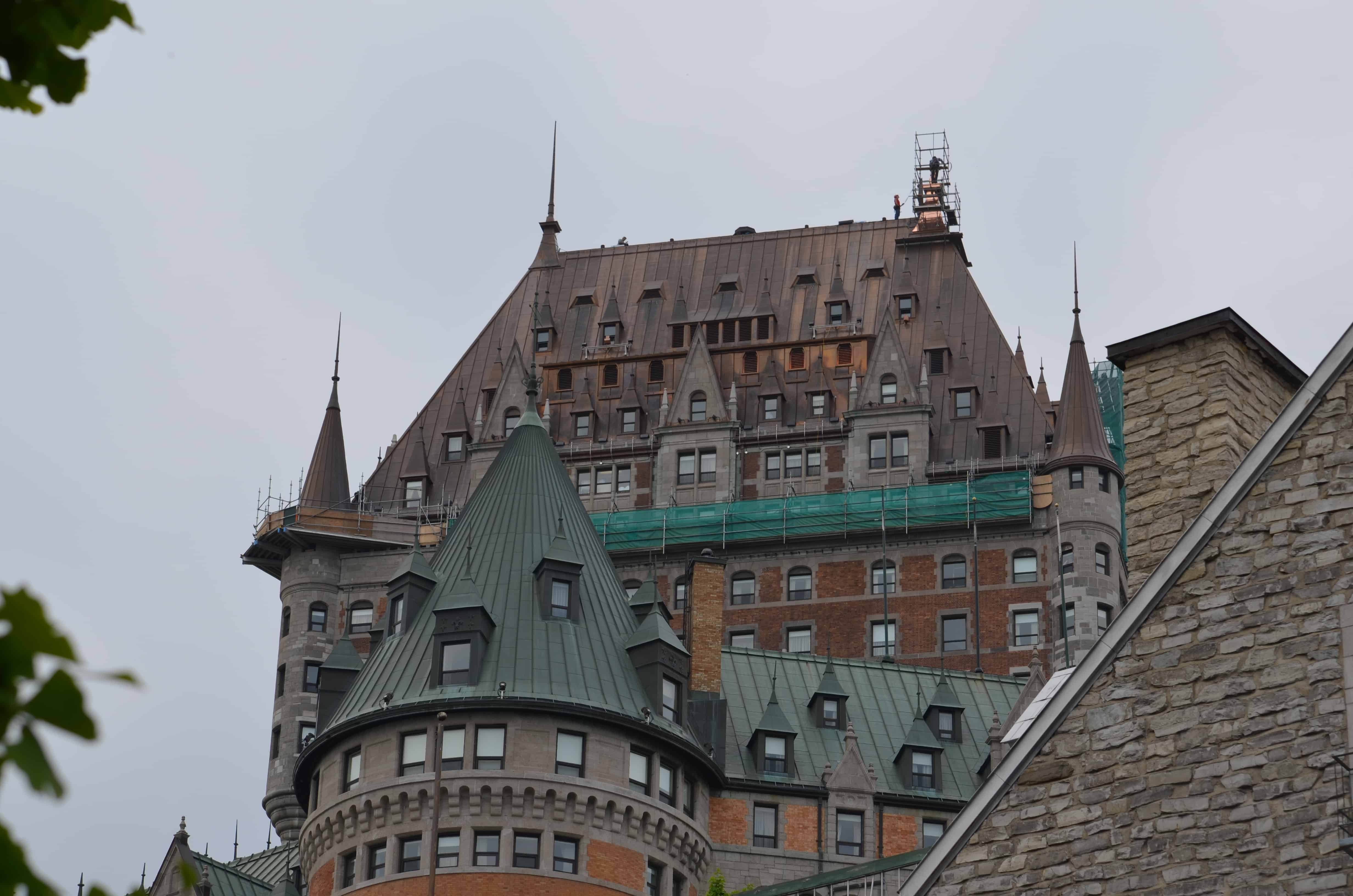
The Château Frontenac, now a Fairmont hotel, rises above the town and is the great landmark of Quebec. The Canadian Pacific Railway built it. It opened in 1893, just five years after the same company opened the Banff Springs Hotel in the Canadian Rockies. We had visited Banff Springs last year on our way back from Alaska. The Canadian Pacific had a knack for picking sites.
The Citadel is the great star-shaped fortification above the town, still an active Canadian Army base. We took a tour.
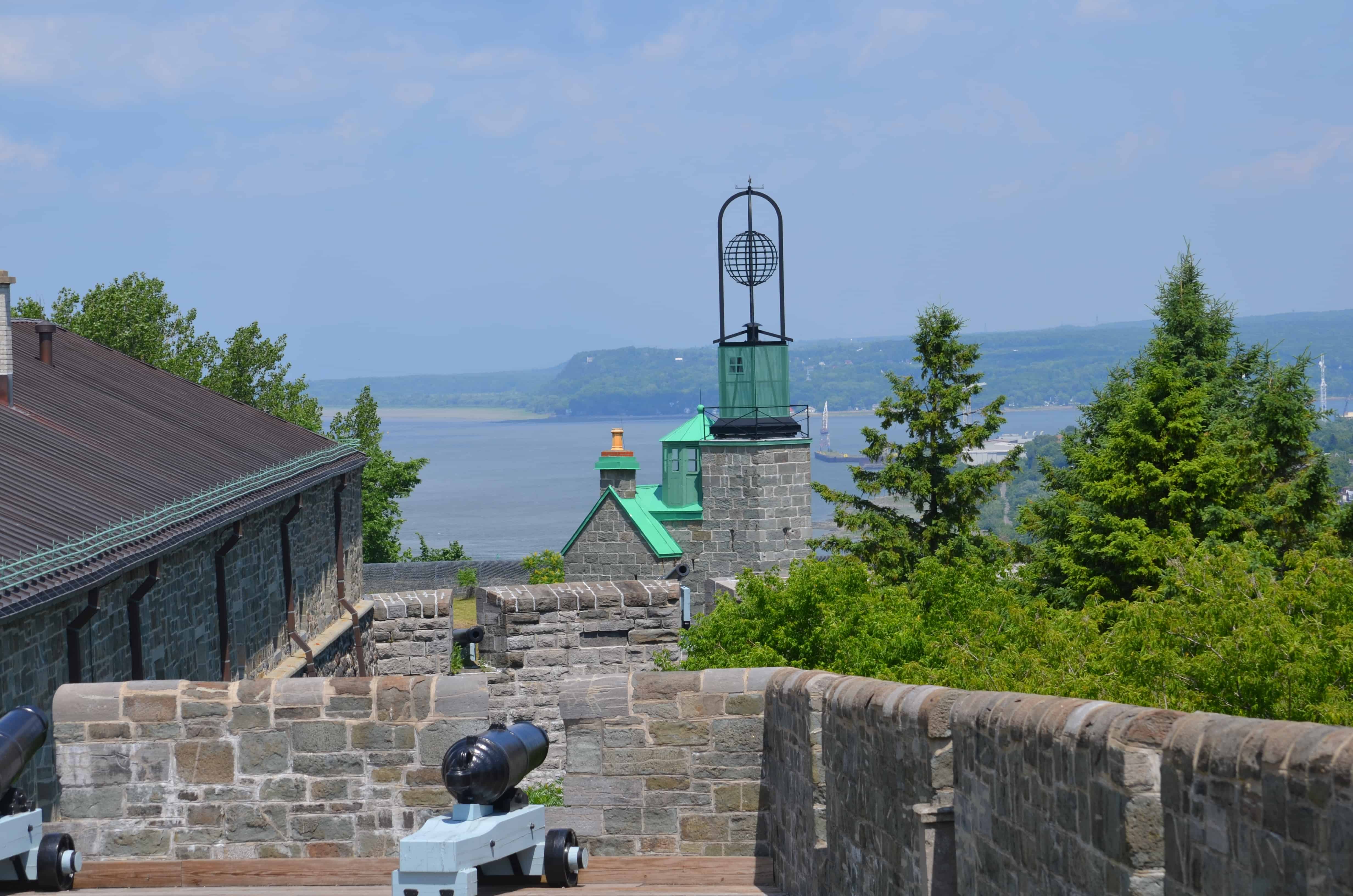
The tower in the center is the Clock Tower, and originally it was used to give ships in the harbor the correct time by means of a falling ball at its top. We asked the guide how the French ended up losing Quebec, since the fortifications looked like they would hold off anyone. He told the story well. The current star-shaped Citadel was actually built later by the British, after they took the city, but in 1759 the French had walls of their own. The Marquis de Montcalm, the French commander, believed the city's defenses would not hold British troops who had just climbed the cliffs at the Anse-au-Foulon under the cover of darkness. He moved his men out to meet General James Wolfe on the Plains of Abraham instead. The men who had built the walls quietly thought otherwise. The battle was over quickly. Both commanders were shot. Wolfe died on the field. Montcalm died the next day. And Canada became a British colony.
Exhausted, we made our way back to the shuttle pickup and sat for a while listening to street musicians, watching the children watch them.
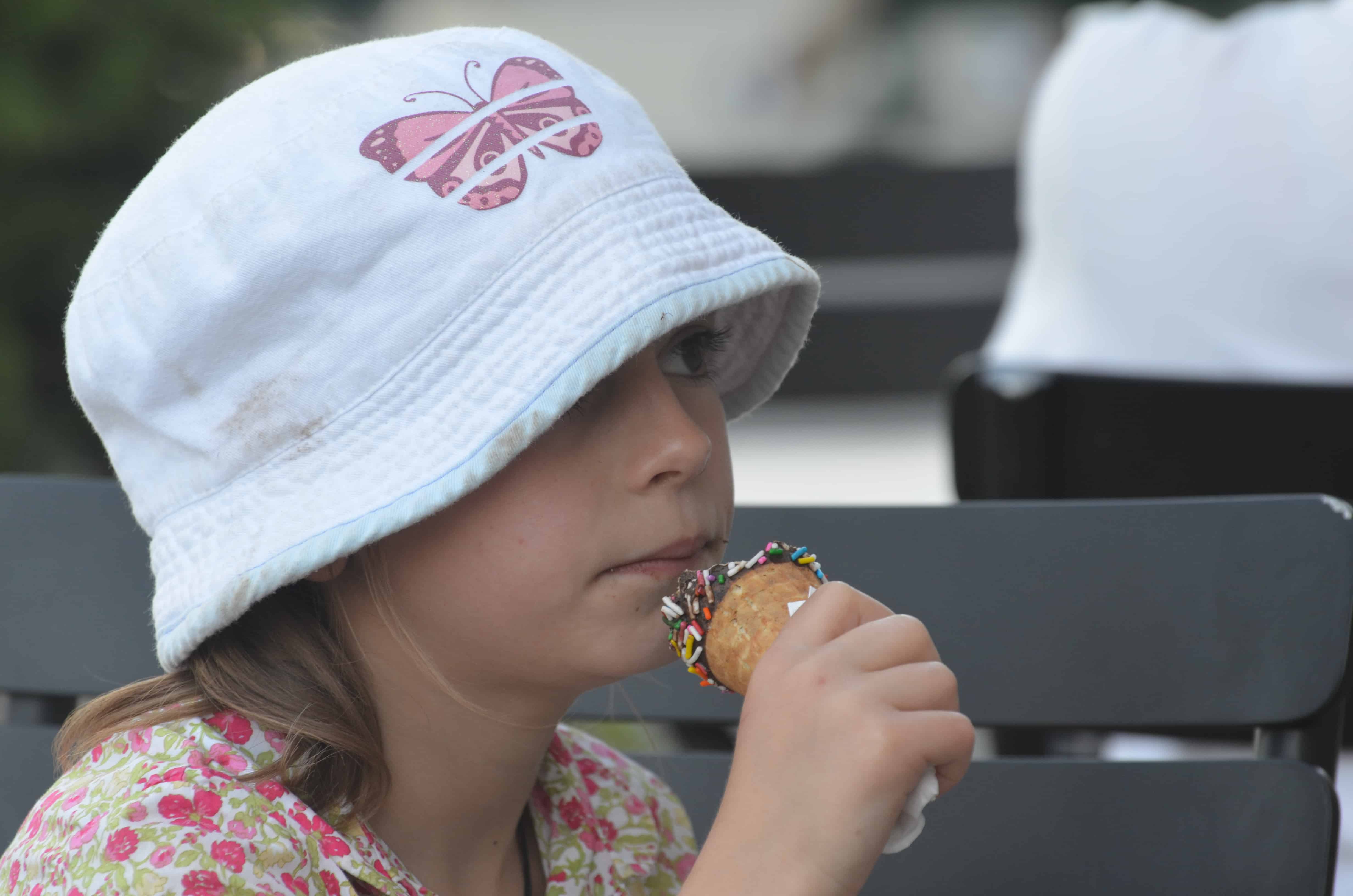
It was actually very relaxing, and a great end to the day in Quebec.
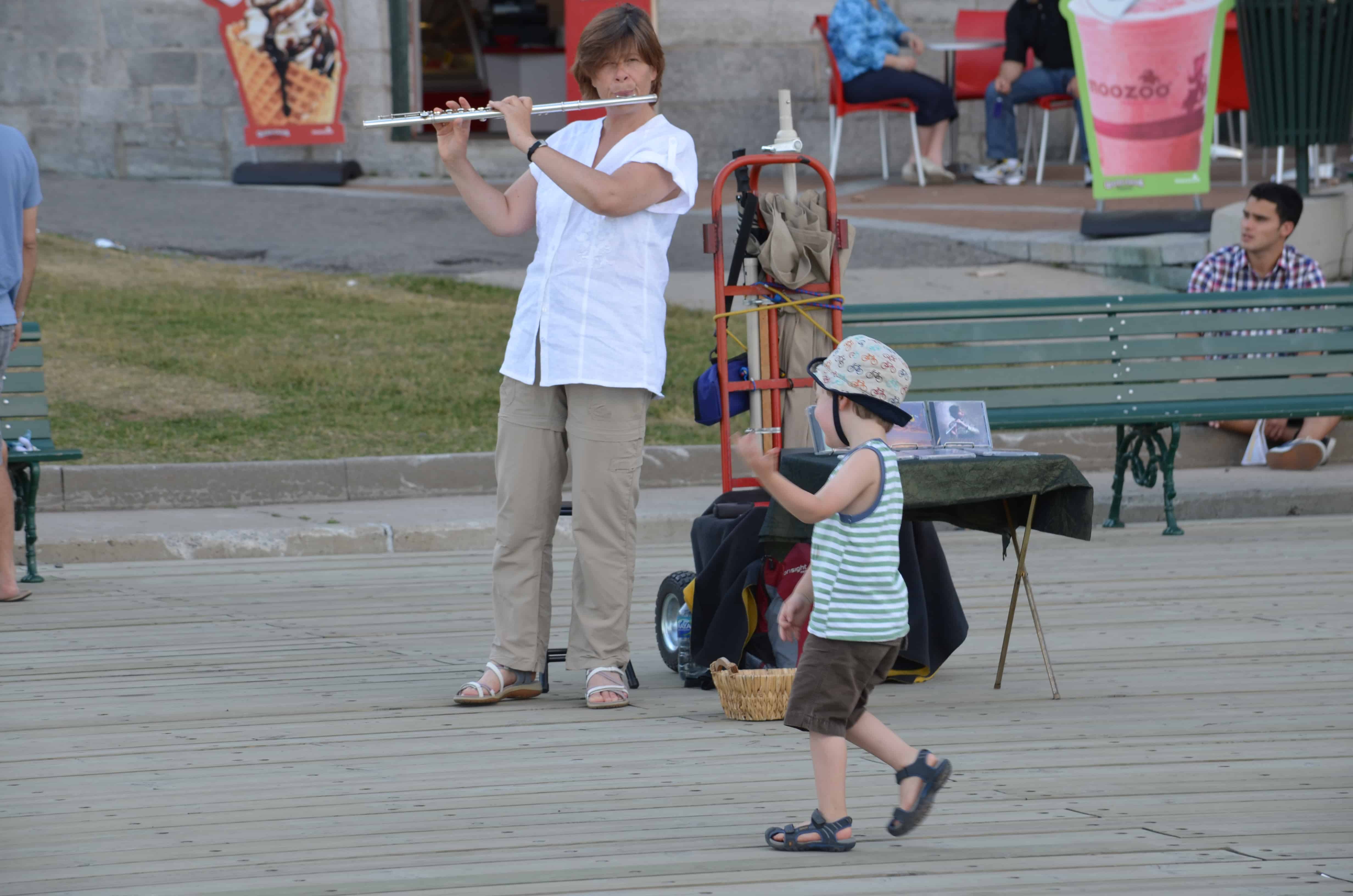
Now that we have the big cities done, time to head into the countryside and the Maritimes.
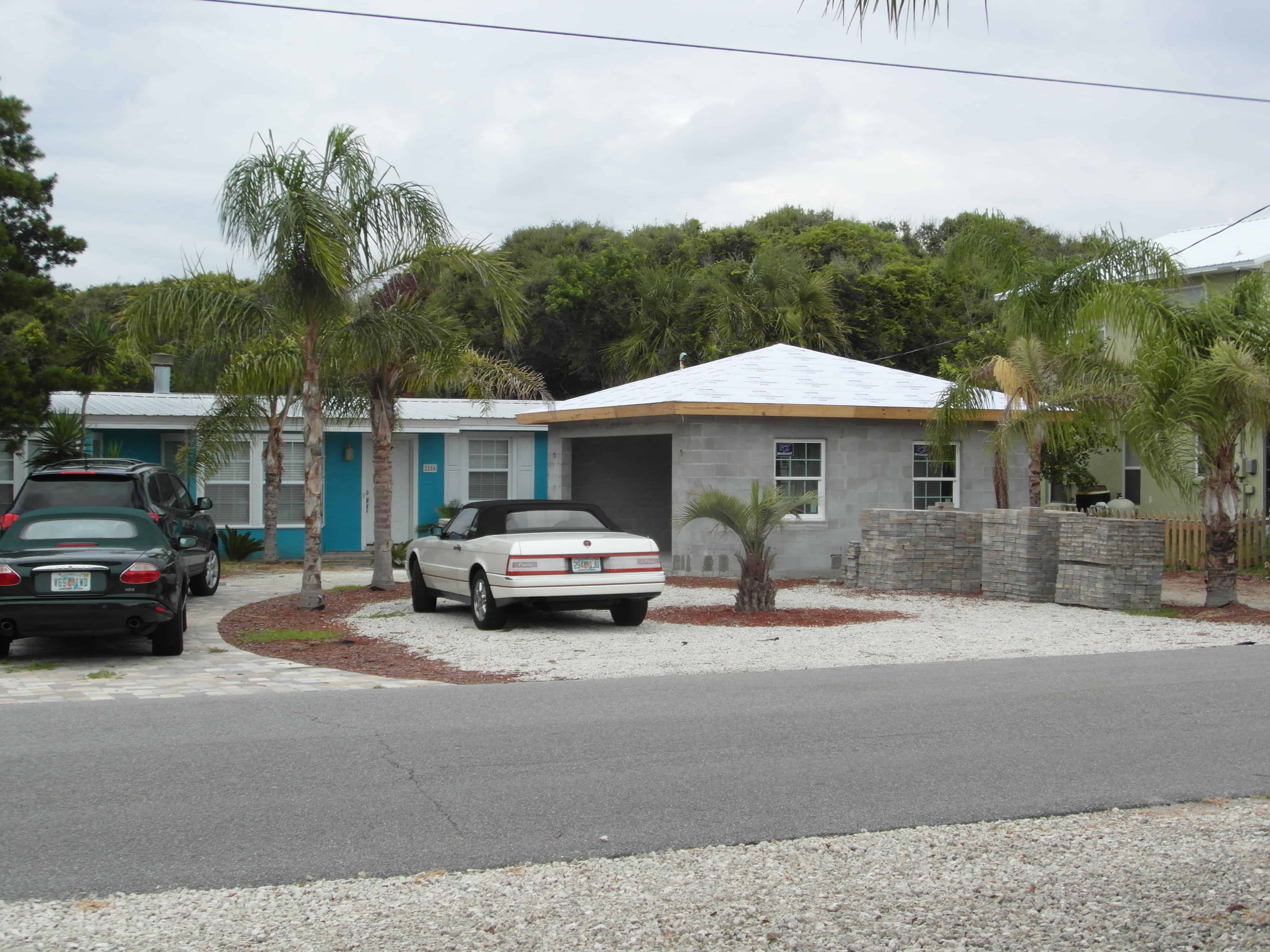
And one more thing. The garage at home is getting there. Latest picture.