Dateline July 25, 2012, Acadia National Park
We drove into Maine across the FDR Bridge from Campobello, headed for Acadia National Park and Bar Harbor on Mount Desert Island. Mount Desert is the second-largest island on the US east coast, smaller than Long Island and a bit larger than Martha's Vineyard. We stopped at a campground just outside Bar Harbor for the evening and ate the rest of the flounder we had bought up at Five Islands.
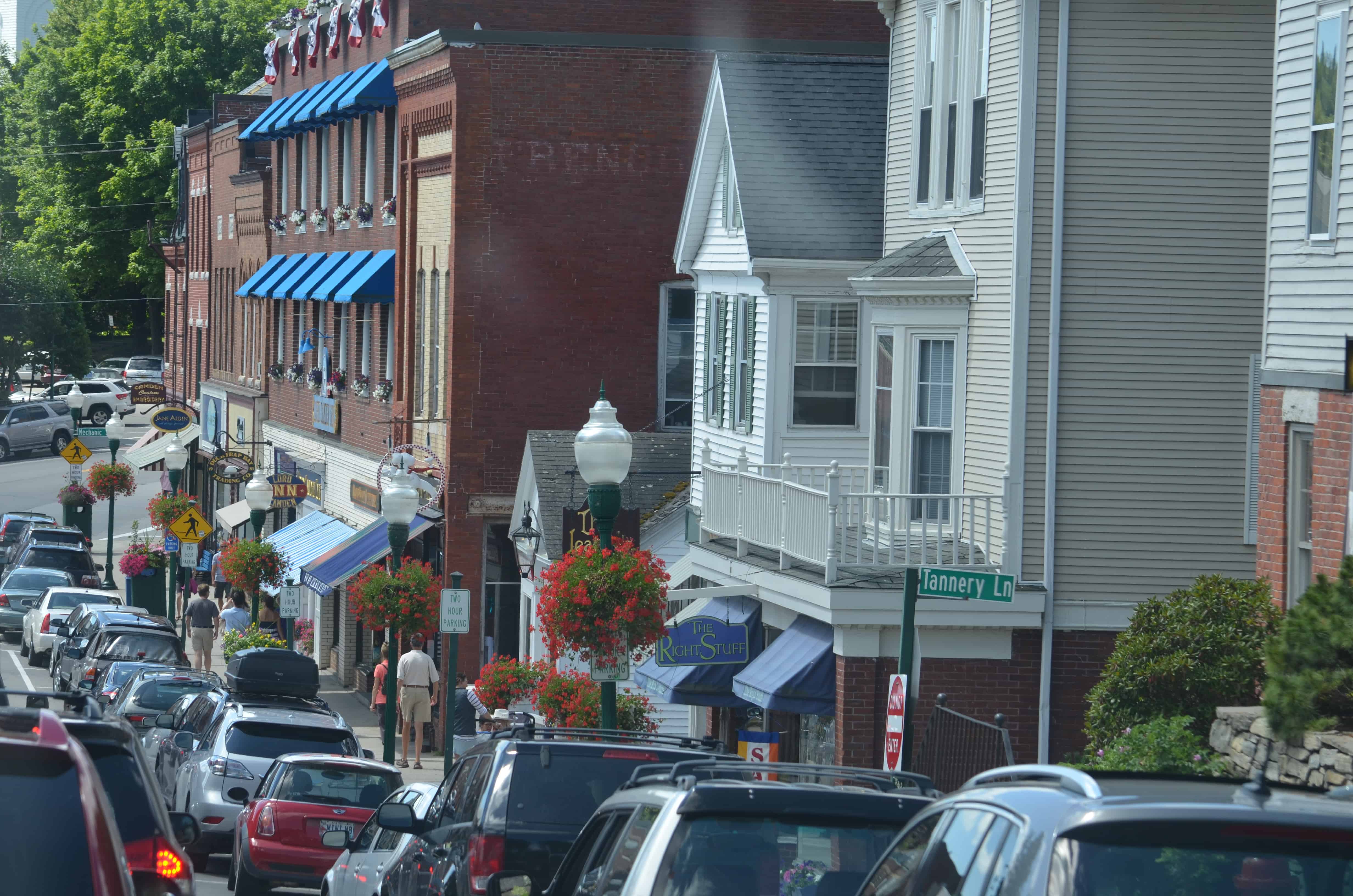
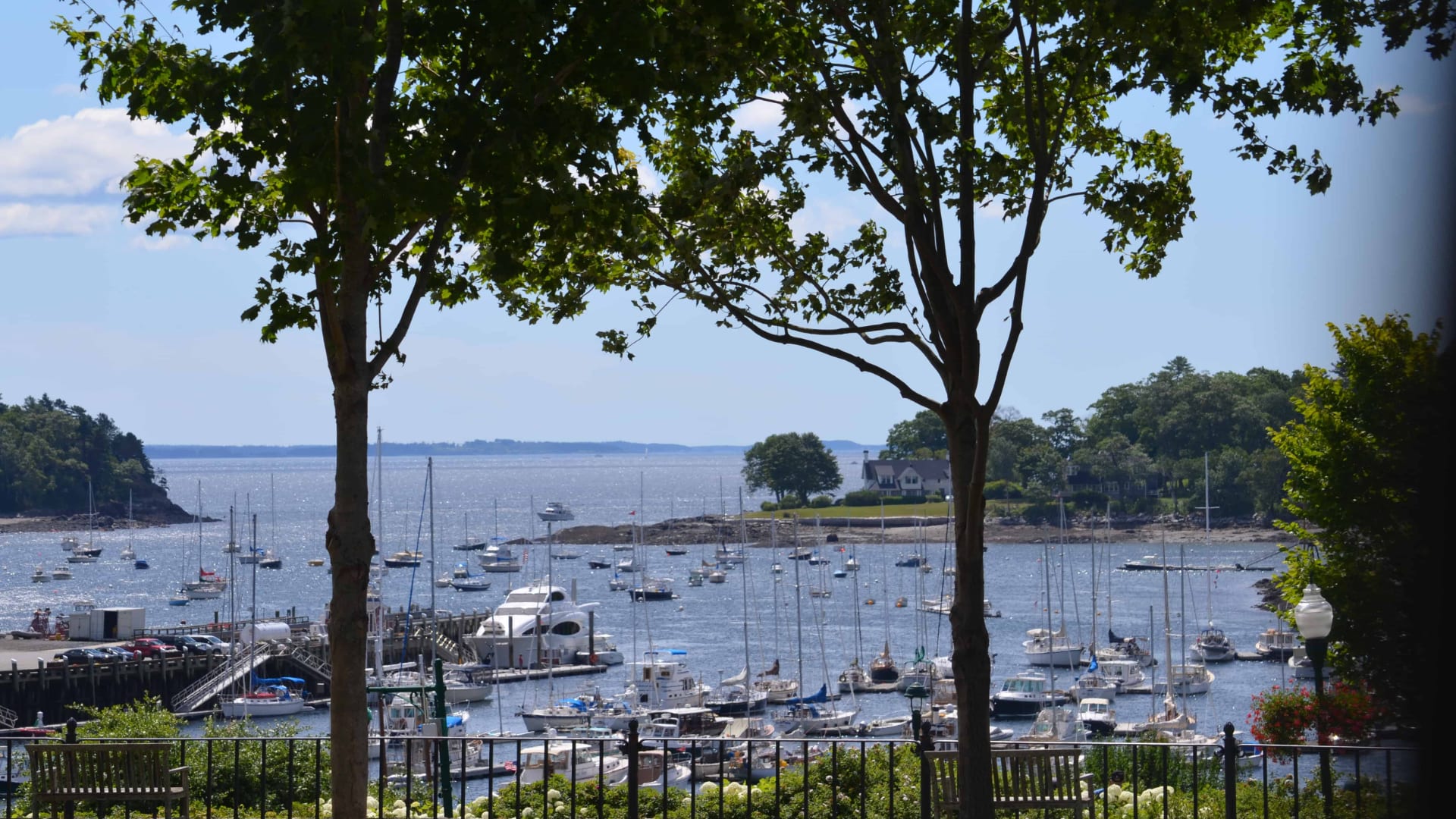
In the morning we drove into Bar Harbor. A lovely, active town on Frenchman Bay. The boats and yachts in the harbor sit against a backdrop of headlands and rocky shore.
By 1880, Bar Harbor had over thirty hotels, with tourists arriving by train and ferry. The Gilded Age elite came here to summer and built large "cottages," many of them rivaling the better homes in Newport, Rhode Island. In 1947, a fire destroyed most of the hotels and many of the cottages. The fire actually smoldered underground through the winter and into the spring of 1948 before finally being put out. The town was rebuilt afterward into the oasis it is today.
We spent a few hours walking around town, looking at the kinds of things that thirty years ago we would have insisted we needed for the house. A dish of ice cream later, we drove up Cadillac Mountain, which rises 1,530 feet above Bar Harbor.
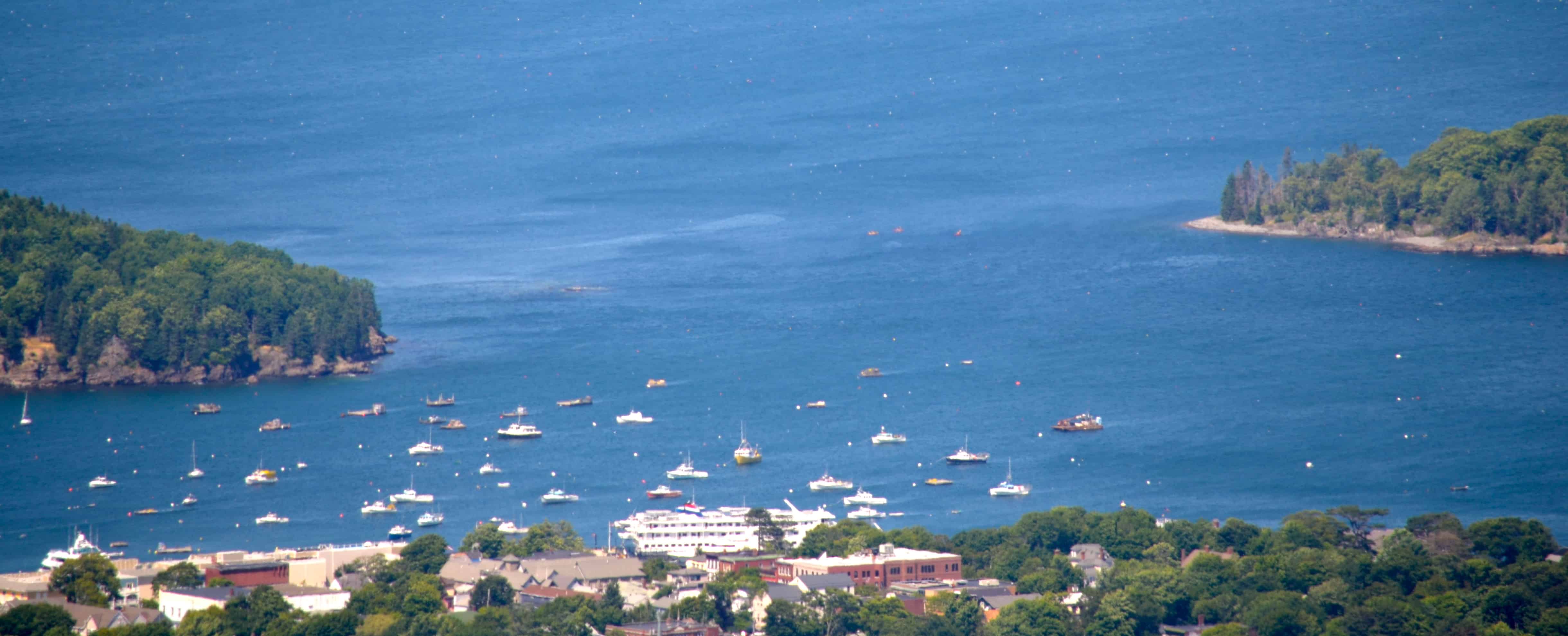
Cadillac is the tallest mountain on the Atlantic seaboard. The views from the summit are magnificent. It is easy to see why Travel + Leisure has ranked Mount Desert Island among the world's top islands, in the same company as Bali, Kauai, and Maui. Cadillac is one of more than two dozen mountains on the island. That evening we stayed at Hadley's Point Campground just outside town, a great facility run by a delightful family.
In the morning we stopped at the Desert Mountain Oceanarium, owned and operated by David and Judy Mills. It is a working lobster hatchery, and they give a fascinating tour. Mother lobsters carrying external eggs are brought in by other fishermen who catch them and don't want to harvest them. The hatchery puts those mothers in a special tank when the eggs are nearly ready. Once the eggs hatch, the babies are scooped out in a fine net and weighed to estimate the count. The hatch the morning we were there came out to about 5,000 babies. The young are then moved through tanks over two weeks as they develop, and finally released back to sea near the location where their mother had been caught. Their survival rate is dramatically higher than what it would be in the wild.
David talked about how the lobster industry has handled itself. His view, in his own words: "We don't need any government telling us how to do it." Maine lobstermen self-regulate. They only harvest lobsters whose carapace measures at least 3¼ inches from the eye socket to where the tail joins the body. Any lobster with a carapace larger than 5 inches (about four pounds) must be returned to the sea. The big ones are the breeders. Larger lobsters produce more eggs and healthier offspring, and the harvesters feel strongly about protecting that brood stock.
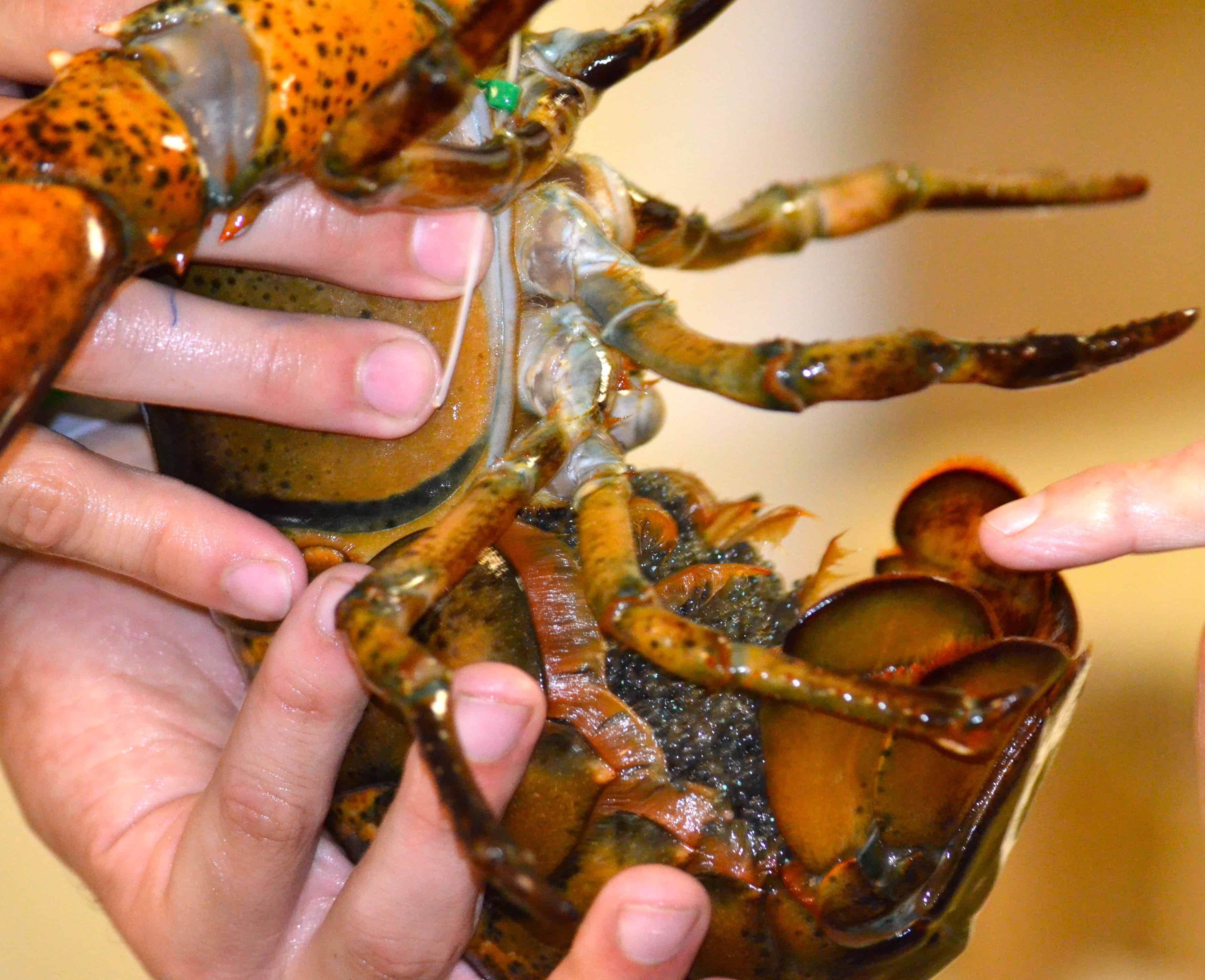
Female lobsters carrying visible eggs cannot be harvested at all. Before she is released, the harvester cuts a small notch in her tail to identify her as a known breeder, which protects her for life from being kept. The whole approach is voluntary and the whole point is the future of the harvest. The numbers tell the story. Maine landed 81 million pounds of lobster in 2009, 93 million in 2010, and over 100 million in 2011. The harvest has been growing year over year. Self-managing the size of the catch works. An interesting morning.
We spent the rest of the day visiting the smaller villages on Mount Desert Island, then ended up at our Seawall Campground inside Acadia National Park.
The wealthy of the late 19th and early 20th century who came here to summer also had a lot to do with the landscape we get to enjoy today. From that same social stratum came George B. Dorr, a tireless spokesman for conservation, who devoted 43 years of his life, his energy, and his family fortune to preserving the Acadian landscape. In 1901, disturbed by the growing commercial development of the Bar Harbor area and the dangers he foresaw in the recently invented gasoline-powered portable sawmill, Dorr and others founded the Hancock County Trustees of Public Reservations. Its sole purpose was to acquire land to be held for the public in perpetuity. By 1913 the Trustees had assembled 6,000 acres. Dorr offered the land to the federal government, and in 1916 President Wilson signed it into existence as Sieur de Monts National Monument. Dorr kept acquiring property and pushed for full national park status. In 1919, Wilson signed the act creating Lafayette National Park, named for the Marquis de Lafayette, the French general who had supported the American Revolution. It was the first national park east of the Mississippi.
Dorr, whose work was described as "the greatest of one-man shows in the history of land conservation," became the first park superintendent. Many families donated their estates to the park. John D. Rockefeller Jr. paid for and oversaw the construction of more than fifty miles of carriage roads that still ring the island. In 1929 the park was renamed Acadia. Today it protects over 47,000 acres.
We visited many parts of the park. The beauty here is comparable to the most beautiful places we saw in the Canadian Maritimes. The towns just outside the park, Bar Harbor and Southwest Harbor especially, add the human side that rounds out the experience.
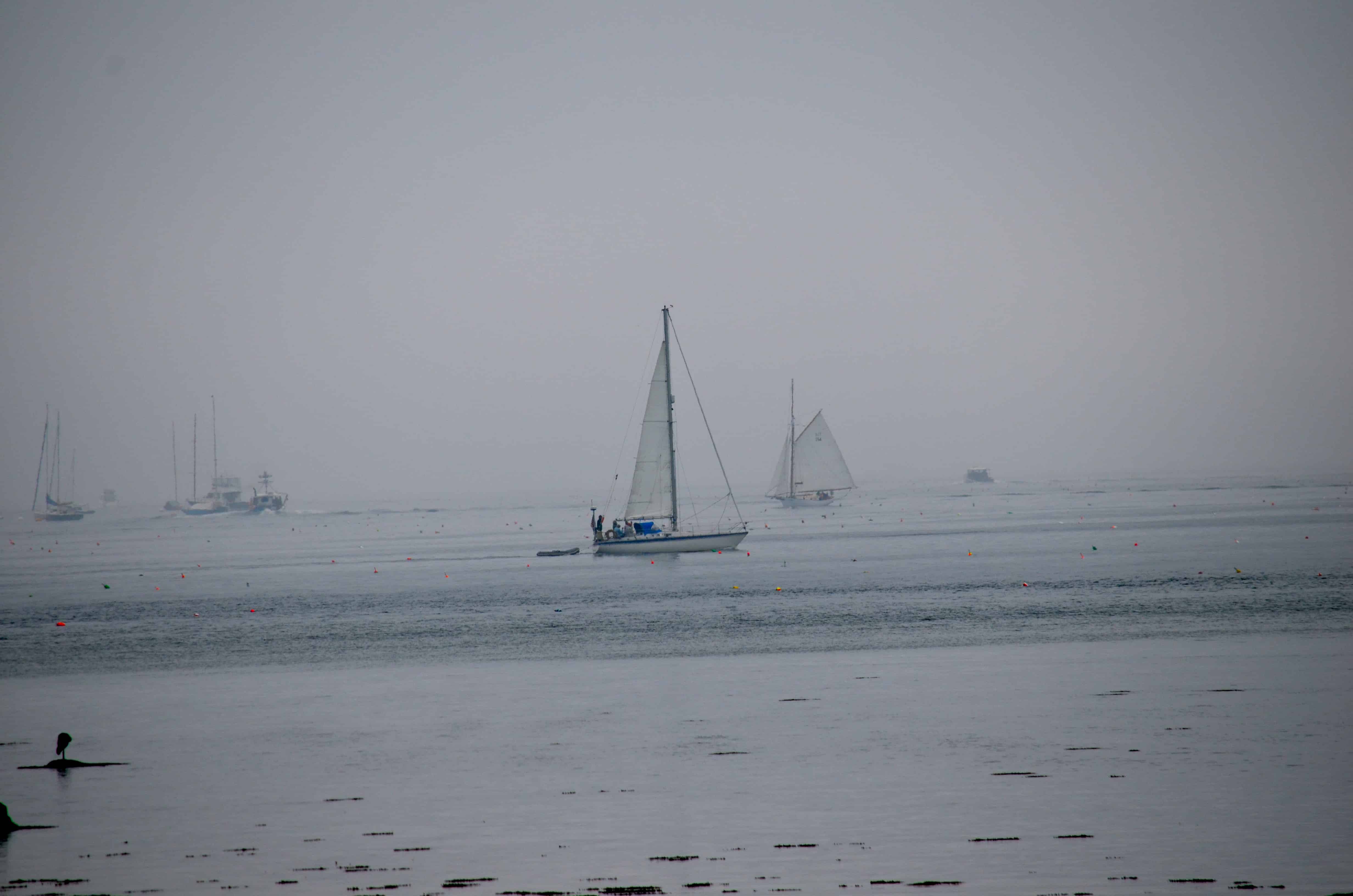
If you get the chance to visit, the experience is tremendous.